Category: National Perspectives on Europe

In the UK’s EU Renegotiation, Free Movement Remains the Concern for East Central Europe

Jan Čulík The UK’s EU renegotiation does not feature prominently in the media of East Central Europe, as the UK is no longer seen as a significant international actor, writes Jan Čulík. Drawing on interviews with officials and analysis of national reporting, he underlines that potential restrictions on welfare benefits for EU citizens remain a …

The UK’s Draft EU Settlement: View from Greece

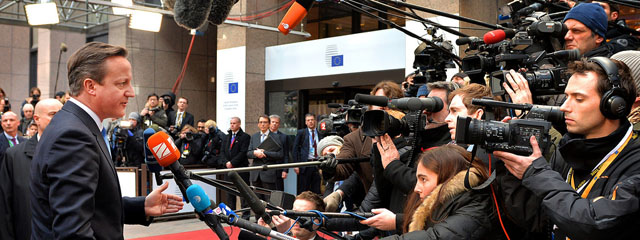
Kostas Lavdas Following the publication of the UK’s draft EU settlement, Kostas Lavdas gives a perspective from Greece on the proposal and the future of the UK-EU relationship. Prime Minister at the European Council, Arron Hoare (Crown Copyright), CC-BY-NC-ND-2.0 The EU-UK deal appears to stand a reasonably good chance of doing the job – provided, …

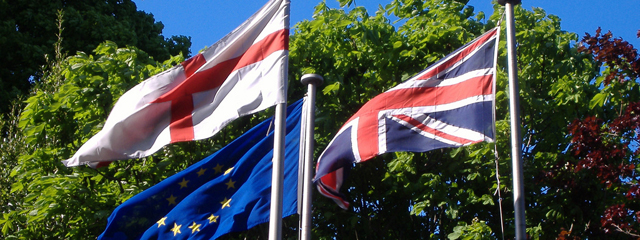
Divided by Europe: The UK Nations and the EU Referendum

Charlie Jeffery Polling shows that people in the various parts of the UK might vote in different ways in the EU referendum, writes Charlie Jeffery, with Scotland and Northern Ireland expressing a clear intent to remain, and England and Wales swaying on the edge of remain or leave. He suggests that, if the nations end …

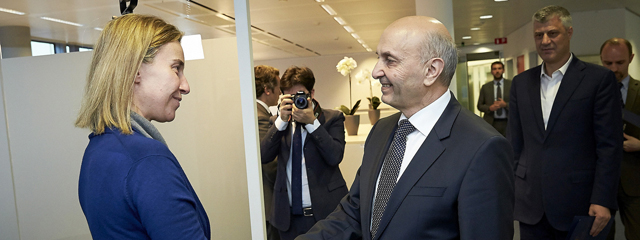
The EU’s Relations with Kosovo – Achievements, Limits, Challenges

Gëzim Krasniqi The EU plays a major role in Kosovo’s development, despite the fact that several Member States do not recognise its independence, writes Gëzim Krasniqi. While the recently signed EU-Kosovo Association Agreement is a significant political step, he suggests, the benefits for Kosovo may be minimal in the short term, and unresolved questions over …

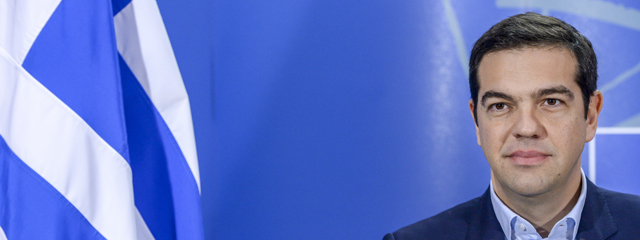
Greece’s Fiscal Crisis: Some Distance Yet to Run

Dermot Hodson The risk of Grexit – Greek exit from the euro area – has diminished after a summer of dramatic political developments, writes Dermot Hodson, but it has not gone away. High debt levels, uncertainty over further debt relief and the outlook for growth and inflation, he argues, point to persistent contradictions over Greece’s …

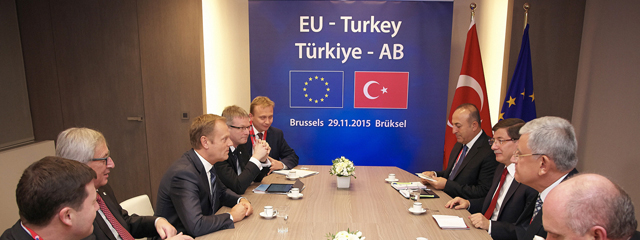
Turkey’s EU Perspective: How the Refugee Crisis has Accelerated Membership Negotiations

Renke Deckarm and Torsten Selck Turkey’s longstanding EU membership negotiations have been periodically delayed by reluctance from Member States, lack of progress in meeting the accession criteria and more recently deteriorating democratic institutions, write Renke Deckarm and Torsten J. Selck. They suggest that the refugee crisis has motivated the EU to advance the negotiations, despite …

The Netherlands: An Unexpectedly Turbulent EU Presidency

David Bokhorst Despite hopes for a low-keyed EU presidency next year, the Netherlands will find itself coordinating Council business on the many challenges and crises facing Europe at present, writes David Bokhorst. He argues that, although much of the agenda may be beyond their control, the Dutch will nevertheless pursue their strategic objectives, with a …

France: Great Britain Should Remain in the EU, But Not at all Costs

Christian Lequesne The speech and letter from David Cameron setting out terms for the renegotiation of the UK’s EU membership are the start of the debate on the issue in France, writes Christian Lequesne. He suggests that the French government is committed to ensuring the UK remains in the EU and that it is willing …