Category: Institutions

On Different Tracks: Bulgaria and Romania under the Cooperation and Verification Mechanism

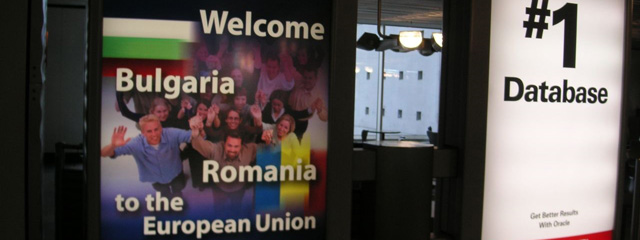
Eli Gateva Romania and Bulgaria both joined the EU in 2007 and became subject to an ad hoc tool created by the European Commission to evaluate the progress of the two countries. Today, however, there is a growing gap between the two states: while European Commission officials have suggested the possibility of Romania graduating out …

Rule Britannia? Cameron’s Renegotiation and the Question of Sovereignty

Tobias Lock In-Depth Analysis One of the central components of the UK’s EU renegotiation has been the set of issues around sovereignty, writes Tobias Lock. He analyses the new ‘red card’ mechanism for national parliaments and suggests that the contents of the deal must be read in light of the debates on sovereignty in the …

Five Comments on Britain’s EU Settlement

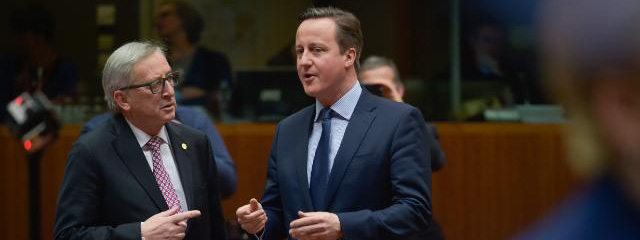
Anthony Salamone Following the end of the renegotiation of the UK’s EU membership and the announcement of the EU referendum date, Anthony Salamone considers some of the elements behind the agreement and forthcoming referendum. David Cameron EU Statement – Feb 2016, Georgina Coupe (Crown Copyright), CC-BY-NC-ND-2.0 The UK’s renegotiation of its EU membership concluded on …

The Outcome of the Marathon European Council Can be Interpreted in a Narrow or a Broad Way

Michael Keating In a narrow interpretation, the UK’s new EU settlement does not bring about significant material change, writes Michael Keating. In the broader interpretation, he argues that, presuming a Remain vote in the EU referendum, the UK has solidified its detached status from the EU, making participation in further areas of integration difficult if …

Bosnia’s EU Candidacy Cannot be Sustained by Minimal Internal Compromises

Andy Aitchison Bosnia’s formal application for EU membership, received today, is predicated on a new and untested framework for the country’s political entities to cooperate with each other, writes Andy Aitchison. Drawing on the EU’s attempts to reform the police several years ago, he argues that, if leaders continue striking political agreements that meet just …

Post-Crisis Policymaking in Europe: The Politics of Expertise

Elke Heins and Hartwig Pautz The shift towards ‘evidence-based’ policymaking and pressure from the EU have pushed European governments to increasingly make use of technocratic expertise in policymaking, write Elke Heins and Hartwig Pautz. They call for a new research agenda to explore the facets of ‘independent evidence’ and the role of austerity in European …

The Future of the EU: Values and the Will of the People

David Bunikowski Common values and the future of the European Union are intrinsically linked, writes Dawid Bunikowski. Taking a legal philosophical perspective, he argues that the EU needs a stronger axiological foundation in order to be more effective, and he calls for a Europe-wide public debate on values to help shape the EU’s direction. Plenary …

Educating Europe: A Story of Shifts and Grand Old Myths

Sotiria Grek Education has been an important, if often unrecognised, means of achieving European integration, writes Sotiria Grek. She argues that the shift of emphasis from a shared high European culture to a standards-based economic mindset reflects the desire of EU leaders to build different kinds of European identity, and that Europe’s current challenges may …